Ultimate Guide to Farm Equipment Repair and Farming Equipment Maintenance for Modern Agriculture
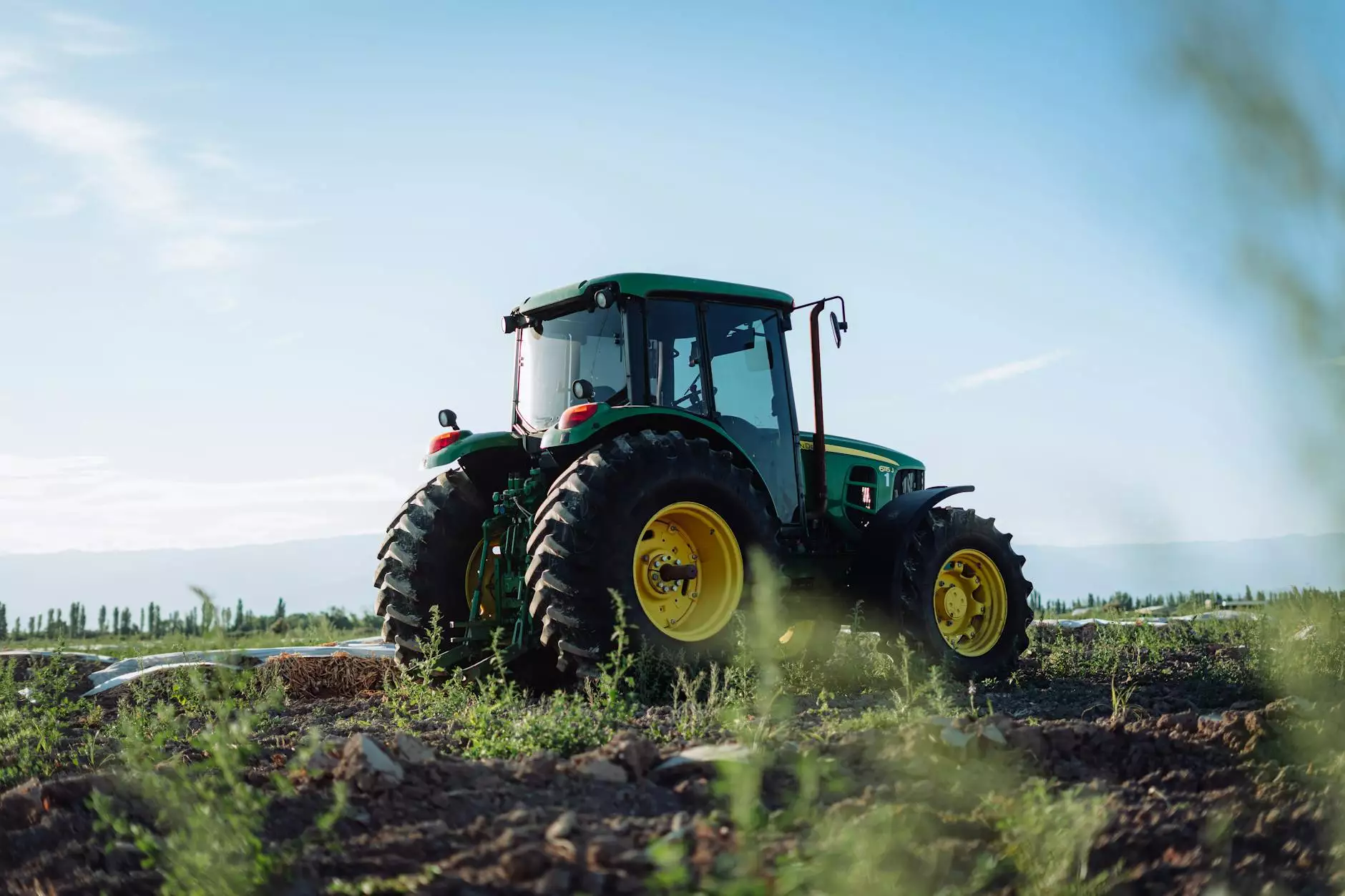
In the dynamic world of agriculture, having reliable and efficient farm equipment is crucial to maximizing productivity and ensuring the longevity of your investments. From tractors to grain handling systems, each piece of equipment plays a vital role in your farm's success. This comprehensive guide explores the importance of farm equipment repair, maintaining top-tier farming equipment, and delves into specialized topics such as grain bin moisture monitoring and how it revolutionizes grain storage and preservation.
Understanding the Significance of Farm Equipment Maintenance
Farm equipment is the backbone of agricultural productivity. Regular maintenance and timely repairs not only enhance operational efficiency but also significantly extend the lifespan of machinery. Neglecting equipment health can lead to costly downtime, reduced crop yields, and increased operational expenses. Therefore, proactive care is essential.
Key Benefits of Proper Equipment Maintenance
- Enhanced Productivity: Well-maintained machinery operates smoothly, reducing delays during critical planting and harvesting windows.
- Cost Savings: Regular repairs prevent major breakdowns, saving money on extensive repairs and replacements.
- Increased Equipment Lifespan: Proper upkeep ensures your investment yields returns over many years.
- Improved Safety: Well-maintained machines are safer for operators, reducing accident risk.
Effective Strategies for Farm Equipment Repair
Successful repair strategies combine preventive maintenance, immediate troubleshooting, and the use of high-quality replacement parts. Here are essential practices:
Routine Inspection and Preventive Maintenance
Implementing a scheduled inspection routine allows you to identify potential issues before they escalate. Check key components such as brakes, belts, hydraulic systems, filters, and electrical wiring.
Use of Professional Repair Services
Partnering with experienced farm equipment repair professionals ensures repairs adhere to manufacturer standards. Certified technicians understand the intricacies of various machinery and use genuine parts for optimal performance.
Proper Training and Operator Education
Training operators in correct use and basic troubleshooting can reduce wear and prevent damage. Educated operators know warning signs and proper maintenance protocols, leading to early detection of issues.
Maintaining a Fleet of Farming Equipment
Managing multiple pieces of equipment requires organizational skills and strategic planning. Here are tips for maintaining a diverse fleet:
- Equipment Inventory Management: Keep detailed records of maintenance history, repair schedules, and operational status for each machine.
- Scheduled Servicing: Establish routine servicing dates aligned with the farming calendar to minimize operational disruptions.
- Investment in Quality Equipment: Choose durable, high-quality farming equipment suited to your operational needs to reduce repair frequency.
- Utilize Technology: Implement farm management software to track maintenance and alert you to upcoming service needs.
Innovations in Farming Equipment: Embracing Technology for Better Outcomes
Modern agriculture leverages technology to optimize efficiency and sustainability. Incorporating advanced tools like GPS-guided machinery, data analytics, and automated systems enhances farm productivity. Among these innovations, one critical aspect is effective grain storage management, particularly through grain bin moisture monitoring.
Why Is Grain Bin Moisture Monitoring Critical in Modern Farming?
Proper grain bin moisture monitoring is essential to safeguard your stored grain against spoilage, mold, pests, and yield loss. Moisture content directly influences grain quality and storage duration; too much moisture accelerates deterioration while too little can cause cracking and loss in weight.
Benefits of Grain Bin Moisture Monitoring
- Preserves Grain Quality: Ensures moisture levels stay within safe thresholds, maintaining grain integrity.
- Reduces Storage Costs: Prevents unnecessary aeration and drying expenses by detecting moisture issues early.
- Minimizes Spoilage and Losses: Real-time monitoring enables prompt action to prevent mold growth and pest infestation.
- Enhances Data-Driven Decision Making: Provides critical insights into storage conditions, optimizing grain management strategies.
How Does Grain Bin Moisture Monitoring Work?
Advanced moisture monitoring systems utilize sensors installed directly within grain bins. These sensors continuously measure humidity levels, temperature, and sometimes other parameters like oxygen content. Data is transmitted to a central system or mobile device, allowing for real-time oversight and alerts.
Types of Grain Bin Moisture Monitoring Technologies
- Capacitance-based Sensors: Measure moisture by detecting dielectric constant changes within the grain mass.
- Thermal Sensors: Monitor temperature gradients that correlate with moisture levels.
- Integrated Wireless Systems: Offer remote monitoring capabilities and automated alerts to your smartphone or farm management platform.
Implementing Effective Grain Bin Moisture Monitoring Systems
Achieving optimal results requires selecting the right system tailored to your grain types and storage conditions. Consider these factors:
- Accuracy: Choose sensors with high precision and reliability.
- Ease of Integration: Opt for systems compatible with your existing farm management software.
- Connectivity: Wireless systems facilitate remote monitoring and reduce installation complexity.
- Durability: Equip sensors built to withstand harsh grain storage environments.
Best Practices for Grain Storage and Moisture Management
- Pre-Harvest Testing: Always measure moisture content at harvest to determine drying needs.
- Proper Drying: Use appropriate drying techniques to bring moisture levels within safe storage limits.
- Regular Monitoring: Employ grain bin moisture monitoring systems for continuous oversight.
- Optimal Storage Conditions: Maintain proper temperature and aeration to prevent condensation and spoilage.
- Timely Handling: Remove grain with moisture issues promptly to avoid widespread losses.
The Role of Quality Equipment in Effective Grain Storage
Investing in high-quality farming equipment—including grain dryers, aeration fans, and moisture monitoring systems—is fundamental. Durable equipment reduces breakdowns, improves efficiency, and enhances your ability to preserve grain quality throughout the storage season.
The Future of Agriculture: Integrating Smart Technologies for Superior Results
The integration of IoT (Internet of Things), automation, and data analytics is transforming traditional farming into a data-driven industry. Smart farm equipment repair and maintenance, combined with sophisticated moisture monitoring, are key in achieving:
- Higher Efficiency: Automated systems reduce labor and operational costs.
- Better Decision Making: Data insights lead to more accurate predictions and proactive interventions.
- Sustainable Practices: Optimized resource use minimizes environmental impact.
Conclusion: Investing in Quality and Innovation for Long-Term Success
In today’s competitive agricultural landscape, farm equipment repair and maintenance excellence are non-negotiable. Incorporating the latest technologies such as grain bin moisture monitoring systems enhances grain preservation, reduces losses, and maximizes profitability. Partnering with trusted industry leaders, like TSGC Inc., ensures access to top-tier farming equipment, expert repair services, and innovative solutions designed to elevate your farm’s operation to new heights.
Remember, ongoing maintenance, embracing technological advancements, and understanding your equipment deeply are the keys to thriving in modern agriculture. With the right investment and strategic planning, your farm can achieve greater efficiencies, sustainability, and long-term success.