Understanding the Cow Hide Cost: A Comprehensive Guide to Hides and Skins for Sale Worldwide
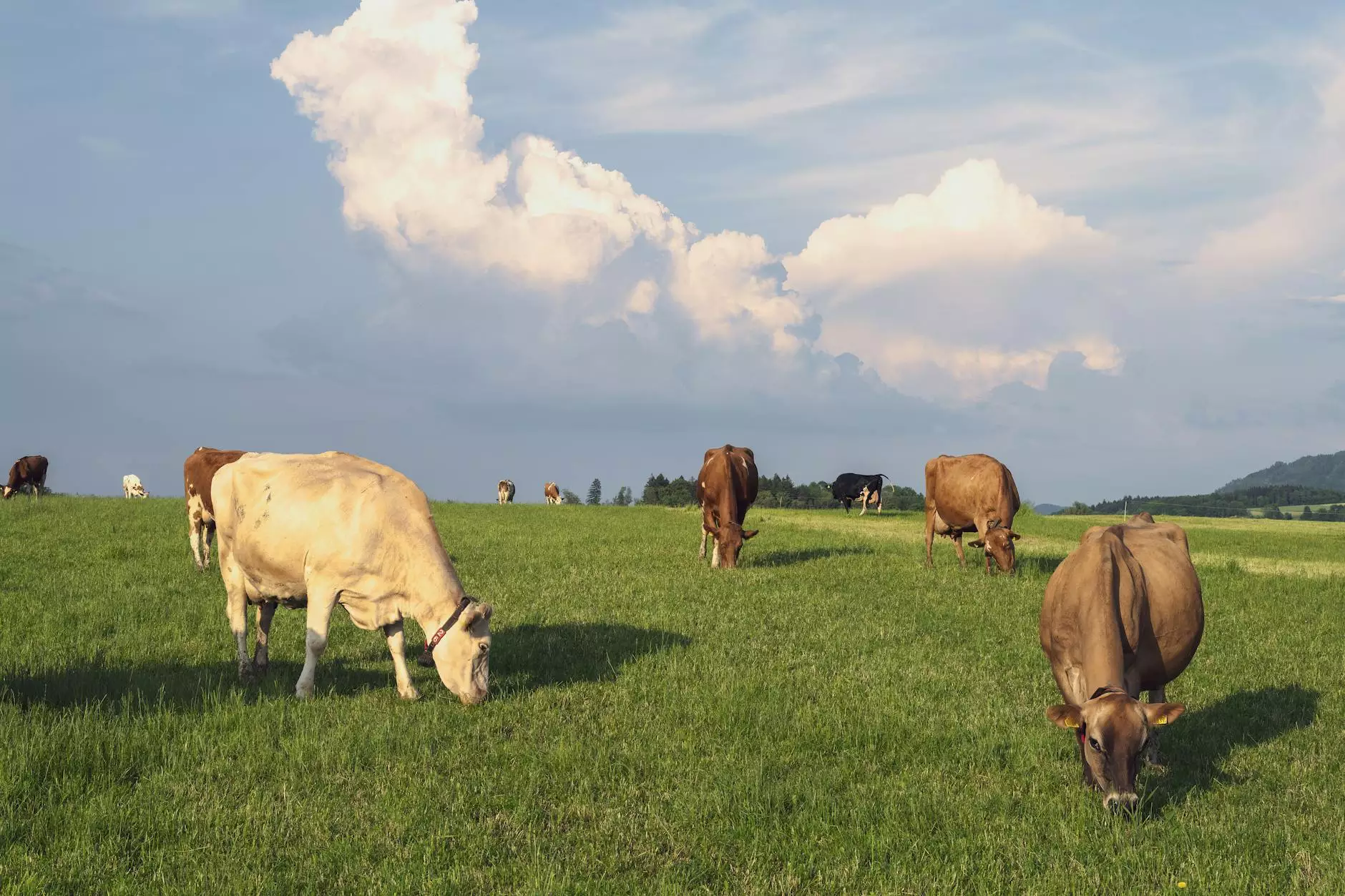
The global market for hides and skins is expanding rapidly, driven by increasing demand in furniture, fashion, footwear, and interior design industries. Central to this industry is the cow hide cost, an essential factor that influences procurement strategies, product pricing, and overall profitability. An in-depth understanding of the elements that impact cow hide cost is crucial for businesses looking to stay competitive and ensure the acquisition of high-quality materials at a reasonable price.
What Is Cow Hide Cost?
The cow hide cost refers to the price paid for a single cowhide that can be used for various purposes such as upholstery, clothing, accessories, and decorative items. This cost is determined by a multitude of factors, including the quality of the hide, its size, origin, tanning process, and current market conditions. Recognizing these factors can help businesses optimize their procurement processes and plan their budgets more accurately.
Factors Influencing Cow Hide Cost
The price of cow hides varies considerably across the globe. It is vital for buyers to understand what influences this variability:
- Quality and Grade: Higher-grade hides, with fewer blemishes, scars, or defects, command higher prices due to their suitability for premium products.
- Size and Thickness: Larger and thicker hides require more resources and labor, increasing the overall cost.
- Origin of the Hides: Hides sourced from specific regions or countries may have different costs based on local cattle breeds, farming practices, and transportation logistics.
- Tanning and Processing Methods: Advanced tanning processes that enhance durability, color fastness, or eco-friendliness typically add to the cow hide cost.
- Market Supply and Demand: When demand outpaces supply, prices tend to rise. Conversely, oversupply can drive prices down.
- Global Economic Factors: Currency fluctuations, trade tariffs, and international shipping costs can influence the overall cow hide cost.
- Source Sustainability and Ethical Practices: Hides sourced from farms practicing sustainable and ethical cattle farming may carry premium pricing due to higher production standards.
The Role of Quality in Determining Cow Hide Cost
Not all hides are created equal. The grading system for cow hides is a key determinant of their price:
- Premium or Grade A Hides: These have minimal imperfections, consistent coloration, and are ideal for high-end upholstery, luxury accessories, and designer products.
- Standard or Grade B Hides: Slight blemishes might be present, making them suitable for more rustic or industrial applications.
- Lower Grades: Hides with significant flaws or irregularities are priced lower but are still valuable for certain budget-conscious manufacturing processes.
The choice of grade depends on the intended end-use, with higher grades naturally incurring a higher cow hide cost.
Regional Variations in Cow Hide Cost
Different regions exhibit distinct pricing patterns influenced by climate, cattle breeds, and local tanning industries:
- European Hides: Known for superior quality and eco-friendly processing, often carrying a premium price point.
- North American Hides: Large cattle populations and advanced processing facilities result in a steady supply and competitive costs.
- South American Hides: Countries like Brazil and Argentina are major exporters, providing competitive prices due to large-scale production.
- Asian Markets: Varies significantly, with some regions offering cheaper options but may involve different quality standards.
Why Do Manufacturers and Suppliers Pay Attention to Cow Hide Cost?
The cow hide cost directly affects the final price of finished goods. Companies aim to balance quality with affordability, ensuring profitability without compromising on standard:
- Cost Efficiency: Sourcing optimal hides at the right price reduces manufacturing expenses.
- Product Differentiation: Premium hides allow for luxury branding and higher pricing strategies.
- Market Positioning: Understanding cow hide cost helps brands position their products in competitive or niche markets.
- Sustainable Practices: Investing in ethically sourced hides may increase costs but can enhance brand reputation and appeal to conscientious consumers.
How to Get the Best Deals on Hides and Manage Cow Hide Cost
Securing high-quality cow hides at a favorable cow hide cost requires strategic sourcing and supplier relationships:
- Bulk Purchasing: Buying in large quantities often yields discounts and lower per-unit costs.
- Establishing Long-term Partnerships: Reliable suppliers can provide better pricing and consistent quality over time.
- Understanding Market Trends: Staying informed about global supply-demand dynamics helps anticipate price fluctuations.
- Assessing Quality vs. Cost: Investing in higher-quality hides may result in lower wastage and higher product value, offsetting initial costs.
- Focusing on Sustainable Sources: While sometimes pricier, ethically sourced hides can qualify for premium branding benefits and consumer trust.
Emerging Trends Impacting the Cow Hide Cost
Several emerging trends continue to influence the cow hide cost and overall supply chain:
- Technological Advances: Innovations in tanning and processing reduce costs and improve quality simultaneously.
- Eco-Friendly Practices: Growing demand for sustainable products encourages eco-conscious sourcing, which can initially increase cow hide cost but benefits branding.
- Global Trade Dynamics: Geopolitical shifts and trade agreements impact transportation costs and availability.
- Consumer Preferences: Increased preference for natural, animal-sourced materials influences market pricing and sourcing strategies.
The Investment Perspective: Why Hides and Skins for Sale Worldwide Are a Valuable Asset
Investing in premium hides and skins offers several advantages. High-quality cow hides, despite their initial cow hide cost, provide durability, aesthetic appeal, and versatility. For businesses focusing on luxury markets or sustainable practices, sourcing from reputable suppliers like abhidesgmbh.com ensures access to top-tier materials at competitive prices.
Moreover, the global demand for authentic, premium hides continues to rise, promising lucrative returns for those who understand market intricacies and manage their cow hide cost effectively.
Conclusion: Making Informed Decisions About Cow Hide Cost
Navigating the complexities of cow hide cost is essential for any business involved in hides and skins for sale worldwide. From understanding quality grading and regional variations to leveraging market trends and sustainable sourcing, informed decisions lead to better profit margins and product excellence. Partnering with established suppliers like abhidesgmbh.com offers a strategic advantage in accessing high-quality hides that align with your company's standards and ethical commitments. Ultimately, mastering the nuances of cow hide cost will strengthen your competitive positioning and ensure long-term success in the dynamic global market.