Optimizing Agriculture Success: The Vital Role of Grain Storage Temperature and Expert Farming Equipment Repair
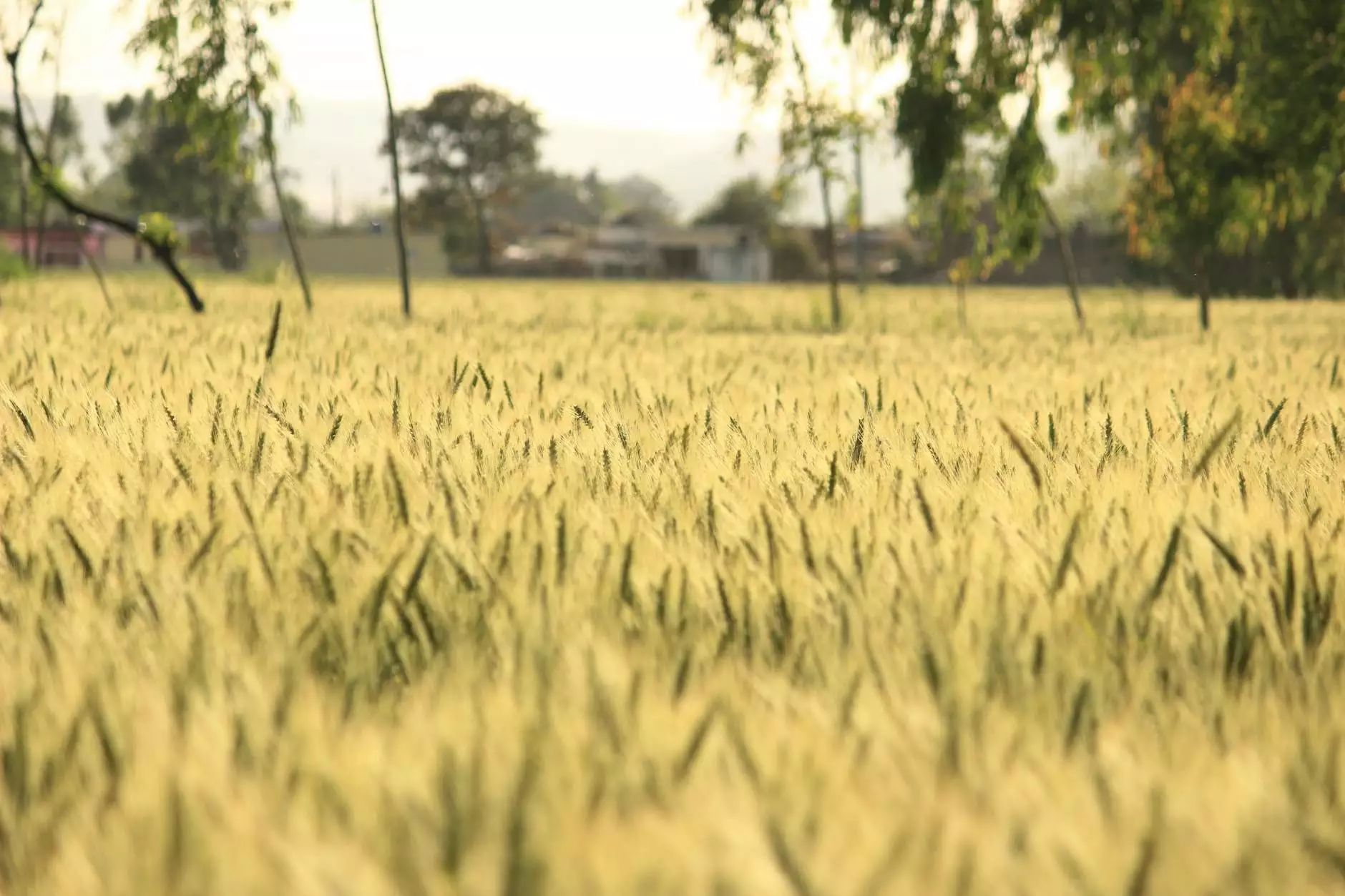
In the dynamic world of agriculture, achieving optimal productivity and crop safety hinges on a combination of technological expertise, proper storage practices, and timely equipment maintenance. At TSGC Inc., we understand the complexities that modern farmers face, especially when it comes to maintaining ideal grain storage temperature and ensuring your farming equipment operates at peak efficiency. This comprehensive guide aims to empower farmers and agricultural professionals with invaluable knowledge on these critical aspects, ultimately enhancing your yields and profitability.
Understanding the Significance of Proper Grain Storage Temperature
Grain storage is a delicate process that, when managed correctly, preserves the quality, prevents spoilage, and extends shelf life. A cornerstone of effective grain storage is monitoring and controlling the grain storage temperature. The right temperature range minimizes biological activity and inhibits pests, which are primary contributors to grain deterioration.
Why Does Grain Storage Temperature Matter?
- Prevents Mold and Fungal Growth: Elevated temperatures promote mold development, which can produce toxins harmful to both humans and animals.
- Reduces Pest Infestation: Many pests thrive in warm, humid environments; controlling temperature helps keep these pests at bay.
- Maintains Grain Quality: Proper temperature regulation preserves kernel integrity, moisture content, and nutritional value.
- Minimizes Post-Harvest Losses: Properly controlled storage conditions prevent spoilage, ensuring maximum economic return on your harvest.
Optimal Grain Storage Temperature Range
The typical safe range for stored grains, such as wheat, corn, or soybeans, is generally between 50°F and 60°F (10°C - 16°C). Maintaining a temperature below 60°F is vital to curbing biological activity. Most stored grains should also have a relative humidity below 60% to further inhibit pest and mold development.
Best Practices for Monitoring and Managing Grain Temperature
Effective management begins with regular monitoring. Here are proven practices to maintain ideal grain storage temperature and ensure grain quality:
- Use Accurate Temperature Sensors: Install dedicated sensors inside storage bins or silos for real-time temperature data.
- Implement Temperature Mapping: Conduct multiple point readings to identify temperature gradients within storage units.
- Maintain Consistent Ventilation: Proper airflow prevents hot spots and reduces moisture accumulation.
- Utilize Aeration Systems: Aeration fans help maintain uniform temperature and humidity conditions, especially during warm months.
- Regular Inspection and Record-Keeping: Document temperature readings and inspection findings to track trends and identify potential issues early.
Advanced Technologies for Grain Storage Temperature Control
Modern grain storage facilities leverage innovative technology to optimize temperature management:
- Automated Climate Control Systems: These systems automatically adjust aeration and temperature based on sensor feedback.
- Remote Monitoring Solutions: Wireless sensors transmit data to smartphones or control panels, allowing farmers to manage conditions remotely.
- Predictive Analytics: Data analysis predicts potential storage problems, enabling preemptive actions.
Importance of Regular Farming Equipment Repair for Agriculture Success
Beyond storage, the operation and maintenance of farming equipment are pivotal to operational efficiency and crop productivity. Well-maintained machinery reduces downtime, minimizes repair costs, and ensures safe handling of agricultural tasks.
Key Benefits of Expert Farming Equipment Repair
- Enhanced Equipment Longevity: Routine repairs and maintenance extend the lifespan of machinery.
- Optimal Performance: Properly repaired equipment operates efficiently, saving fuel and reducing wear.
- Safety Assurance: Well-maintained equipment reduces accidents and operator hazards.
- Cost Savings: Preventative repairs are less costly than unexpected breakdowns or replacements.
Common Farm Equipment Requiring Regular Maintenance
- Harrows and Plows: Critical for seedbed preparation and soil aeration.
- Combines and Harvesters: Ensure clean harvesting with minimal grain loss.
- Tractors and Tillage Equipment: Vital for field operations and transporting loads.
- Irrigation Systems: Maintain proper functionality to optimize crop watering.
- Grain Handling Equipment: Conveyors and augers require routine checks for efficient grain movement.
Choosing the Right Partner for Equipment Repair and Grain Management
Partnering with a reputable service provider like TSGC Inc. guarantees access to experienced technicians and state-of-the-art solutions. Our services include:
- Farm Equipment Repair: Expert diagnostics, repairs, and maintenance for all major types of farm machinery.
- Farming Equipment Supply: Top-quality equipment sales for new and replacement machinery.
- Grain Storage Solutions: Designing and installing efficient storage facilities with integrated temperature monitoring systems.
- Consultation and Training: Educating farm operators on best practices for equipment operation and storage management.
How TSGC Inc. Supports Farmers in Achieving Optimal Grain Storage and Equipment Performance
At TSGC Inc., our mission is to empower farmers with the latest techniques and reliable services. Our dedicated team offers:
- Customized Storage Solutions: We design storage systems tailored to your specific crop types, operational size, and local climate conditions.
- Cutting-edge Monitoring Technology: Deployment of sensors and automation for real-time grain storage temperature management.
- Comprehensive Repair Services: Swift responses to equipment breakdowns to minimize downtime and avoid costly delays.
- Preventative Maintenance Programs: Scheduled inspections and tune-ups that keep your machinery in optimal condition.
Future Trends in Agricultural Equipment and Storage Management
The future of agriculture is increasingly digital and data-driven. Innovations such as AI-powered predictive maintenance, IoT-connected storage facilities, and sustainable farming practices are revolutionizing the industry. Emphasizing grain storage temperature control through smart systems is a growing trend to maximize crop quality and storage lifespan.
Conclusion: Achieve Agricultural Excellence with Proper Storage and Equipment Care
Achieving success in farming isn't solely about planting seeds and harvesting crops; it involves meticulous attention to every detail, including grain storage temperature and maintaining your farming equipment. At TSGC Inc., we are committed to delivering top-tier solutions that keep your operations running smoothly, protect your investments, and maximize your yields. Whether you require advanced storage systems, expert repair services, or strategic advice, our team is here to support your growth and success.
Remember: the key to a thriving agricultural enterprise lies in proactive management, innovative technology adoption, and partnering with experienced industry leaders. Contact TSGC Inc. today to learn how we can elevate your farming operations to new heights.


