The Ultimate Guide to Public Art: Transforming Communities and Elevating Art Galleries
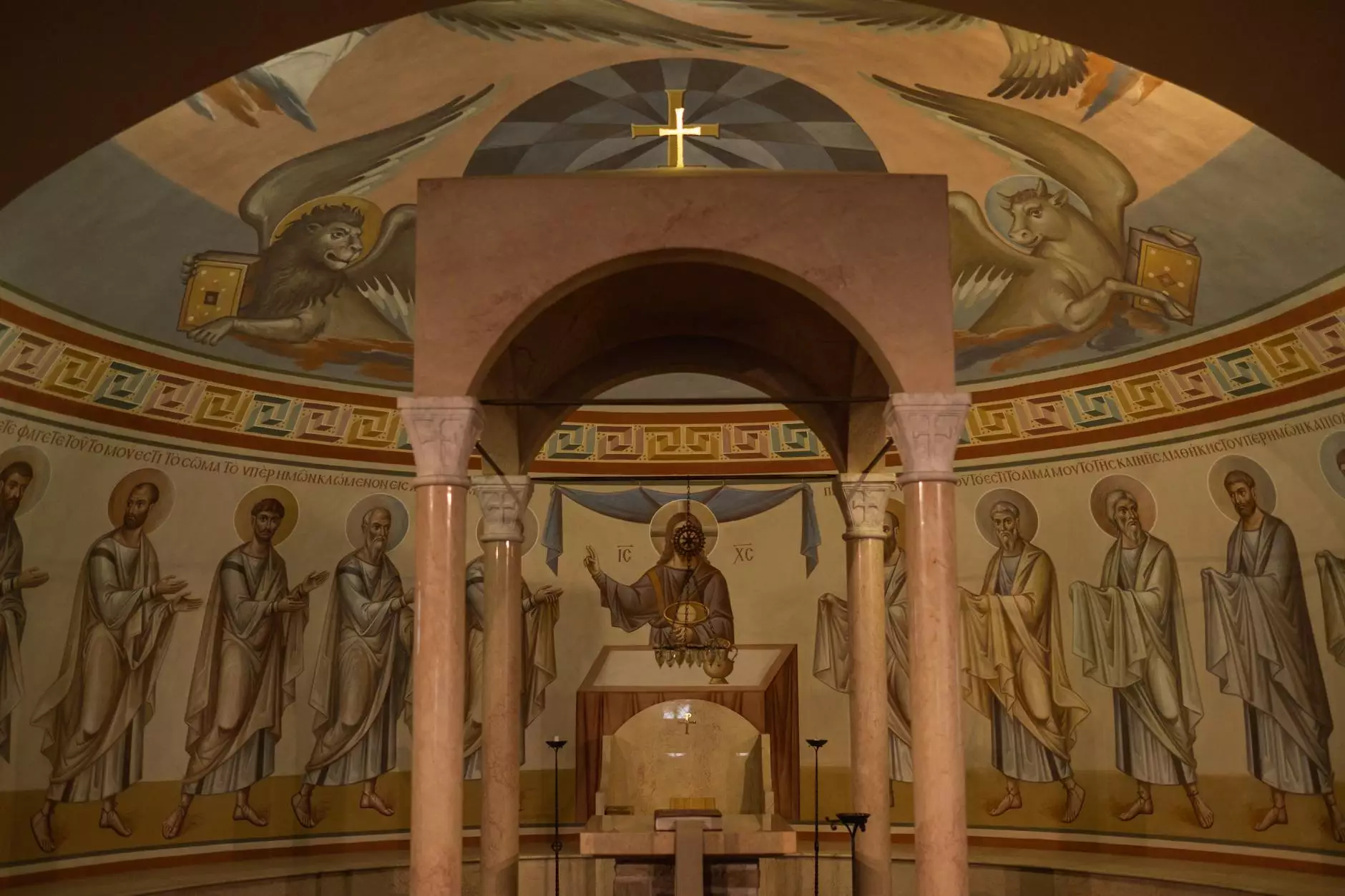
Public art has emerged as a powerful force in shaping urban landscapes, enriching cultural expression, and fostering community engagement. In an era where art is increasingly accessible, Arts & Entertainment venues and Art Galleries play a pivotal role in showcasing these vibrant works. Renowned artists like Grimanesa Amorós are leading the charge, creating monumental public art installations that inspire, challenge, and connect audiences worldwide.
Understanding Public Art: Definition, History, and Significance
At its core, public art refers to artworks created and installed in public spaces, accessible to everyone regardless of background or social status. Its origins date back thousands of years, from ancient murals and sculptures to modern-day murals, interactive installations, and large-scale sculptures. The primary goal of public art is to foster community spirit, provoke dialogue, and turn ordinary urban spaces into extraordinary cultural venues.
The Evolution of Public Art
Historically, public art has reflected societal values, political movements, and cultural milestones. During the Renaissance, city-sponsored sculptures and murals celebrated religious narratives and civic pride. Fast forward to contemporary times, artists focus on themes like social justice, environmental sustainability, and technological innovation.
Today,public art has transcended traditional boundaries, integrating new media such as digital projections, augmented reality, and interactive components, making it more engaging and accessible than ever before.
The Impact of Public Art on Communities and Societies
Public art holds immense potential to transform urban environments and social dynamics, fostering a sense of identity and belonging among residents and visitors alike.
Community Engagement and Social Inclusion
Inclusive public art involves community members in the creative process, enhancing local pride and ownership. By collaborating with local artists and residents, artworks become reflective of the diverse narratives within a community.
Economic Benefits and Urban Revitalization
Strategic placement of public art can stimulate economic development, attract tourists, and revitalize neglected neighborhoods. Neighborhoods that embrace public art often experience increased foot traffic, business growth, and a heightened sense of vibrancy.
Environmental and Educational Contributions
Many public art installations promote environmental awareness or serve educational purposes, inspiring viewers to contemplate sustainability, history, and cultural heritage.
Role of Art Galleries and Arts & Entertainment Venues in Promoting Public Art
Art galleries and Arts & Entertainment venues are essential platforms for showcasing public art—not only within gallery walls but also in outdoor, public spaces. They serve as intermediaries that connect the artists with audiences, fostering appreciation and dialogue around contemporary public art.
Bridging the Gap Between Artists and Public Spaces
By collaborating with city councils, private investors, and non-profit organizations, galleries facilitate the installation of public art projects that enliven urban landscapes and democratize access to artwork.
Educational Programs and Community Outreach
Many galleries and venues organize workshops, panel discussions, and guided tours, promoting public understanding of public art and encouraging community participation in art projects.
Innovative Artists Leading the Public Art Movement
Artists like Grimanesa Amorós exemplify pioneering approaches to public art. Her stunning light installations and sculptures are designed to interact with their environment and viewers, creating immersive experiences that elevate public spaces.
Grimanesa Amorós: A Spotlight on Artistic Excellence in Public Art
Recognized internationally, Grimanesa Amorós employs luminous materials and innovative technology to craft large-scale public art that celebrates cultural narratives and urban beauty. Her renowned works are not only aesthetic marvels but also catalysts for social conversations, promoting cultural dialogue and community engagement.
Challenges and Opportunities in Public Art
Despite its numerous benefits, public art faces challenges such as funding, maintenance, and public perception. Securing financial support often requires collaboration between government agencies, private sponsors, and community stakeholders.
Opportunities lie in leveraging new technologies, sustainable materials, and inclusive practices to make public art more resilient, environmentally friendly, and accessible to all. Digital platforms and social media also play a crucial role in expanding the reach and impact of public art.
The Future of Public Art: Trends and Innovations
The future of public art is bright, with emerging trends emphasizing interactivity, sustainability, and community-driven projects. Artificial intelligence, virtual reality, and eco-friendly materials are opening new horizons for artists and urban planners.
Furthermore, there is a growing movement towards participatory public art, where communities are actively involved in designing and implementing projects, fostering a sense of ownership and collective achievement.
Conclusion: Embracing the Power of Public Art for a Better Tomorrow
This comprehensive exploration underscores the transformative potential of public art in shaping vibrant, inclusive, and sustainable communities. As Arts & Entertainment venues and Art Galleries continue to champion innovative projects and collaborate with visionary artists like Grimanesa Amorós, the possibilities for artistic expression in public spaces are limitless.
Investing in and promoting public art is an investment in cultural vitality, social cohesion, and economic resilience. Together, artists, communities, and organizations can harness the power of public art to create inspiring environments that celebrate our collective identity and inspire future generations.