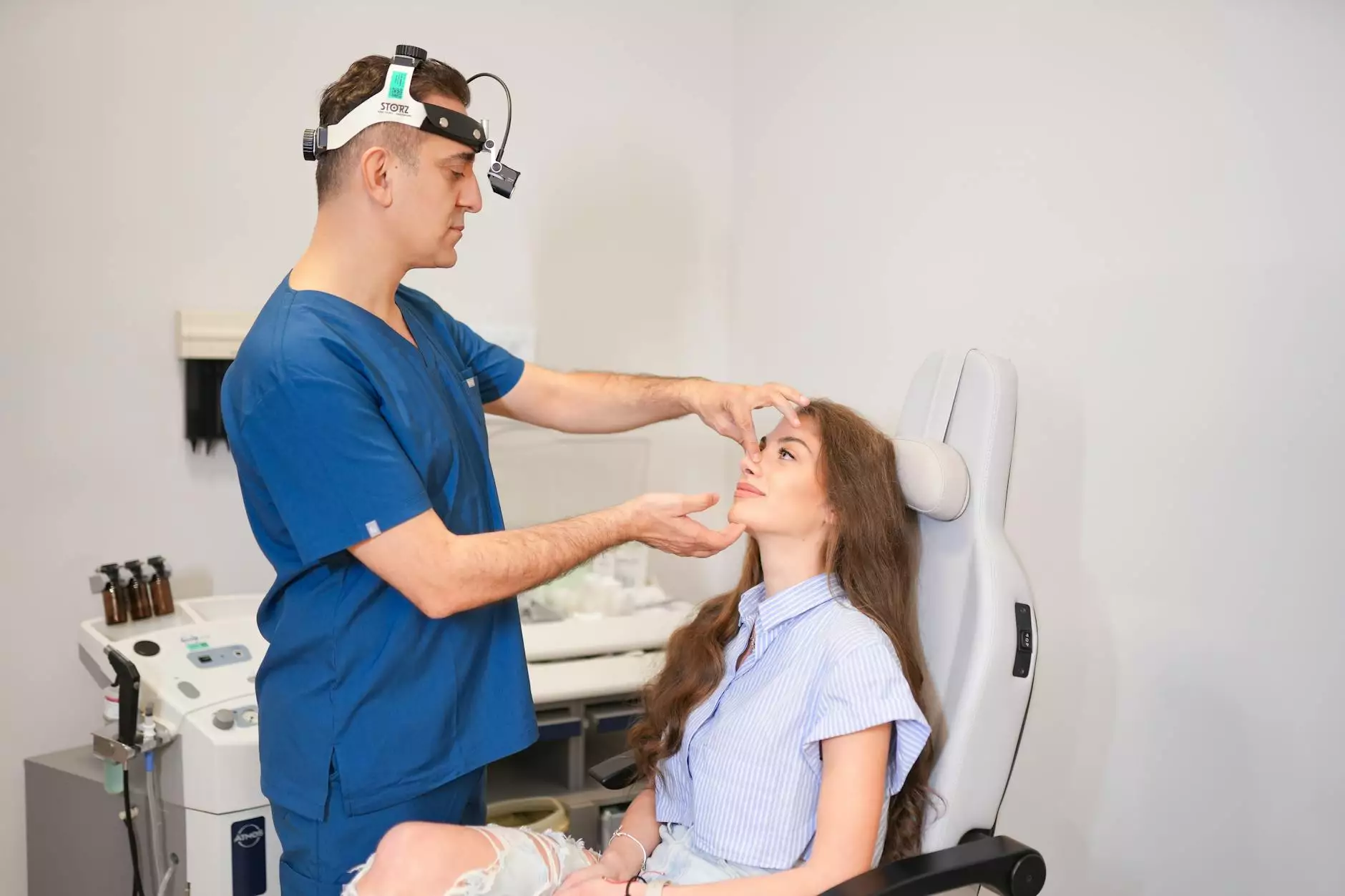
Understanding T10 Vertebrae Pain
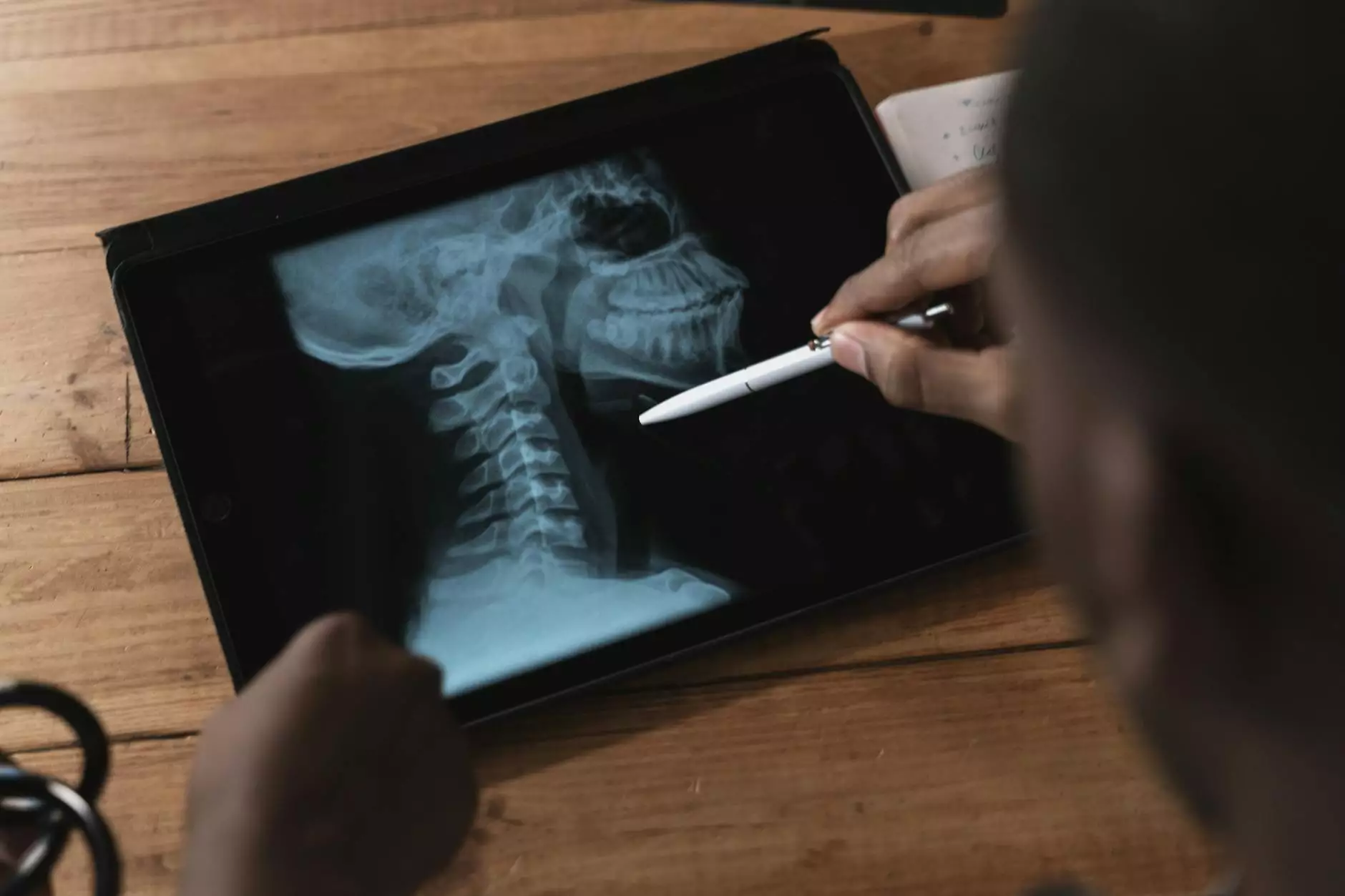
T10 vertebrae pain can significantly impact your overall quality of life...
What is the T10 Vertebra?
The T10 vertebra is the tenth vertebra in the thoracic spine, which consists of 12 vertebrae (T1 to T12). The thoracic spine serves several critical functions...
Causes of T10 Vertebrae Pain
T10 vertebrae pain can be attributed to several factors, including:
- Injury: Trauma to the spinal area, such as from accidents or falls.
- Degenerative Conditions: Conditions such as osteoarthritis may lead to the degeneration of vertebrae.
- Herniated Discs: Issues with the discs that buffer between the vertebrae can cause pain.
- Posture Problems: Poor posture can stress the thoracic spine, leading to discomfort.
- Muscle Strains: Overexertion or improper lifting can result in muscle strains around the spine.
Symptoms of T10 Vertebrae Pain
Individuals suffering from T10 vertebrae pain may experience a range of symptoms, including:
- Local Pain: Discomfort localized around the T10 area.
- Radiating Pain: Pain that may radiate to nearby areas, such as the rib cage or lower back.
- Stiffness: Limited mobility and stiffness in the thoracic spine.
- Numbness or Tingling: Sensations that can occur in the arms or legs if nerves are affected.
Diagnosis of T10 Vertebrae Pain
Diagnosing T10 vertebrae pain typically involves:
- Medical History: A thorough review of your medical history and symptoms.
- Physical Examination: A physical exam to assess mobility and tenderness.
- Imaging Tests: MRI, X-rays, or CT scans may be utilized to visualize the spine.
Treatment Options for T10 Vertebrae Pain
Treatment strategies for managing T10 vertebrae pain include:
1. Physical Therapy
Physical therapy can strengthen the muscles around the spine, improve posture, and enhance flexibility. Specific exercises tailored by a professional can significantly reduce pain.
2. Medications
Over-the-counter pain relievers such as ibuprofen or prescription medications may be recommended to help manage discomfort.
3. Chiropractic Care
Chiropractors can offer adjustments that may alleviate pain by improving alignment and mobility in the thoracic spine. Regular adjustments can also prevent future issues.
4. Alternative Therapies
Techniques such as acupuncture or massage therapy may provide relief for some individuals suffering from T10 vertebrae pain.
5. Lifestyle Changes
Making changes to your daily habits can also help manage T10 vertebrae pain:
- Improving Posture: Maintain proper ergonomics at your workspace.
- Regular Exercise: Engage in low-impact activities to keep muscles strong.
- Weight Management: Maintaining a healthy weight can alleviate stress on the spine.
Preventing T10 Vertebrae Pain
While not all cases of T10 vertebrae pain can be prevented, certain strategies can reduce your risk:
- Ergonomic Work Environment: Set up your workspace to promote good posture.
- Regular Exercise: Keep your back and abdominal muscles strong.
- Healthy Lifestyle Choices: Avoid smoking and excessive alcohol consumption, which can contribute to spinal problems.
When to Seek Medical Attention
If you experience severe pain or symptoms that persist or worsen, it’s essential to seek professional medical attention. Early diagnosis can prevent complications and lead to better treatment outcomes.
Conclusion
T10 vertebrae pain can be managed effectively with proper diagnosis, treatment, and lifestyle changes. Understanding the causes and symptoms is the first step toward achieving significant pain relief. If you suspect that you are suffering from T10 vertebrae pain, consulting a healthcare provider or chiropractor can guide you toward the right treatment plan.
Contact IAOM-US for More Information
If you’re looking for guidance on managing T10 vertebrae pain or other spinal issues, visit iaom-us.com to connect with experienced chiropractors and healthcare professionals. They can help you achieve a healthier spine and an improved quality of life.