The Ultimate Guide to Good Plywood: Elevating Your Business with Quality Timber Products
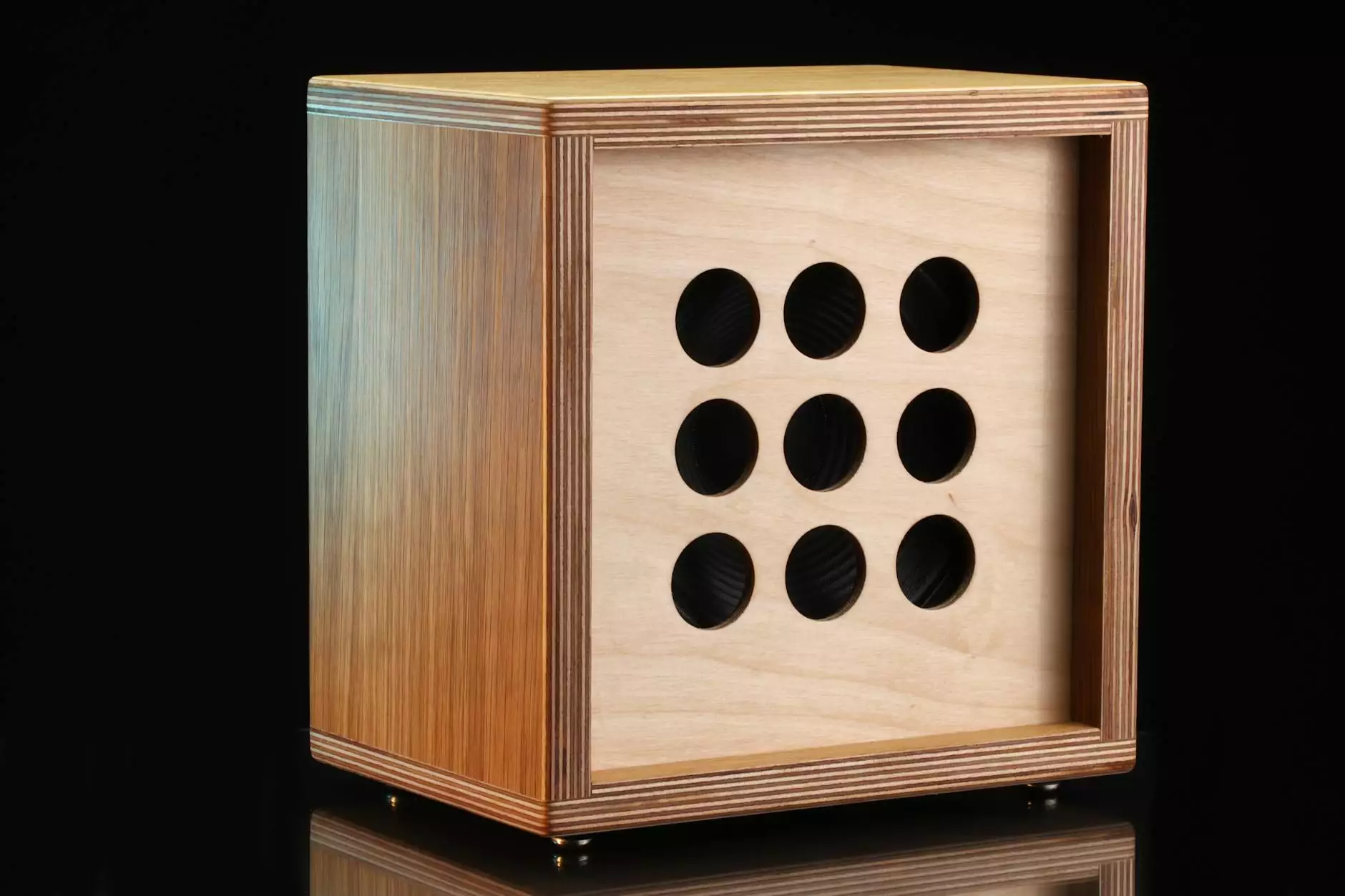
In the world of construction and woodworking, few materials stand out like good plywood. It's not just a staple in various industries but also a crucial component that influences the quality and durability of finished products. Understanding the nuances of good plywood can be transformative for both construction professionals and DIY enthusiasts alike. In this comprehensive guide, we will explore timber merchants, the role of wood suppliers, and the diverse range of timber products available in the market today.
Understanding Good Plywood
Before diving into the specifics, it's essential to understand what makes plywood "good." Good plywood is characterized by its quality, strength, and versatility. Plywood is made by gluing together thin layers of wood veneer, called plies, which provide stability and resistance against warping. This engineered wood product is not only cost-effective but also offers excellent tensile strength, making it suitable for various applications.
The Types of Plywood
When discussing good plywood, it's important to recognize the different types available on the market, each suited for specific applications:
- Hardwood Plywood: Made from hardwood species, this type of plywood is known for its durability and aesthetic appeal, often used in furniture and cabinetry.
- Softwood Plywood: Typically made from pine, fir, or spruce, softwood plywood is less expensive and used in construction and framing.
- Marine Plywood: Designed to withstand moisture, marine plywood is perfect for boat building and areas exposed to water.
- Structural Plywood: This plywood serves a specific structural application, ensuring it meets required building codes and standards.
- Decorative Plywood: Often laminated or veneered, decorative plywood is used for aesthetic purposes, adding a touch of elegance to various projects.
The Role of Timber Merchants in Providing Good Plywood
Timber merchants play a pivotal role in the supply chain of good plywood. They serve as the link between wood suppliers and end-users, ensuring that high-quality timber products reach construction sites and workshops efficiently.
Choosing the Right Timber Merchant
When selecting a timber merchant, consider the following factors:
- Reputation: Look for merchants known for their quality products and reliable service.
- Product Range: A good timber merchant should offer a comprehensive range of plywood options, from structural to decorative types.
- Knowledge: A knowledgeable merchant can provide valuable advice on the best plywood for your specific project needs.
Benefits of Working with Timber Merchants
Collaborating with reputable timber merchants offers several advantages:
- Quality Assurance: Merchants often source their products from trusted manufacturers, ensuring that you receive only the best quality plywood.
- Cost-Effectiveness: Purchasing from timber merchants can lead to better pricing due to bulk order discounts and fewer middlemen.
- Convenience: Timber merchants can provide delivery services, saving you time and effort in logistics.
Timber Suppliers: A Critical Component of the Plywood Industry
Wood suppliers are integral to the production of good plywood. They are responsible for providing high-quality raw materials to manufacturers who process and sell plywood products. The relationship between wood suppliers and timber merchants is crucial for ensuring a steady supply of good plywood.
Key Attributes of a Reliable Wood Supplier
When sourcing materials from wood suppliers, it's essential to consider:
- Quality Control: Ensure that the supplier adheres to strict quality control measures to prevent defects.
- Sustainability Practices: Choose suppliers who practice sustainable forestry, ensuring an environmentally friendly approach to lumber sourcing.
- Timeliness: A reliable supplier should be able to meet your delivery timelines consistently to avoid project delays.
The Diverse Applications of Good Plywood
Good plywood is incredibly versatile and can be used in various applications. Here are some popular uses of plywood that highlight its importance in the business sector:
1. Construction and Building
Plywood is a primary material in the construction industry due to its strength and lightweight nature. It is used for:
- Wall Sheathing: Provides structural integrity and insulation.
- Roofing: Offers affordable roofing solutions while ensuring durability.
- Flooring: Engineered for strength, allowing for stable flooring underlayments.
2. Furniture Making
The furniture industry relies heavily on high-quality plywood for producing:
- Cabinets: Combining durability and aesthetic charm.
- Tables and Chairs: Offering stability and design flexibility.
- Bookshelves: Providing strength while maintaining a lightweight structure.
3. Custom Projects
For artisans and DIY enthusiasts, good plywood serves as an essential material for custom projects:
- Crafting: Ideal for creating unique decor items and crafts.
- DIY Home Improvements: Used in various home improvement projects like shelving, boxes, and organizers.
How to Choose Good Plywood for Your Project
Selecting good plywood requires careful consideration. Here are some tips to ensure you choose the right product for your needs:
1. Assess the Project Requirements
Determine the specific requirements of your project, such as load-bearing capacity, moisture exposure, and desired aesthetics. This evaluation will guide your plywood selection.
2. Check the Grades of Plywood
Plywood is typically graded from A to D, with A being the highest quality. Higher grades have fewer defects, making them ideal for visible applications, while lower grades can be used for structural purposes.
3. Consider the Thickness
The thickness of plywood varies and significantly impacts its strength and stability. Ideally, choose a thickness that meets your project specifications without compromising on quality.
Maintaining Good Plywood
Effective maintenance of plywood is crucial to maximizing its lifespan and functionality. Here are some essential tips:
1. Protect from Moisture
Even if you're using marine-grade plywood, it's essential to protect it from excessive moisture. Use sealants and finishes to create a barrier against water damage.
2. Regular Cleaning
Keep plywood surfaces clean and free from debris. Regular cleaning helps prevent issues like mold growth and staining.
3. Avoid Heavy Loads
Avoid placing excessive weight on plywood structures to prevent warping or breaking. Always adhere to the recommended weight limits for your specific uses.
Conclusion: Investing in Good Plywood for a Successful Business
In conclusion, good plywood is more than just a material; it is a fundamental component that can significantly impact the success of construction projects and furniture manufacturing. By understanding the qualities of plywood, choosing reliable timber merchants and wood suppliers, and knowing how to select and maintain plywood, businesses can leverage this material's advantages to achieve outstanding results.
At VPTimberTradingSIA.com, we pride ourselves on providing the highest quality plywood and timber products. From consultation to delivery, we ensure that our clients receive the best materials to succeed in their projects. Explore our range of products today and take your business to the next level!