The Value of Five Dollars: Understanding Its Role in Business and Economy
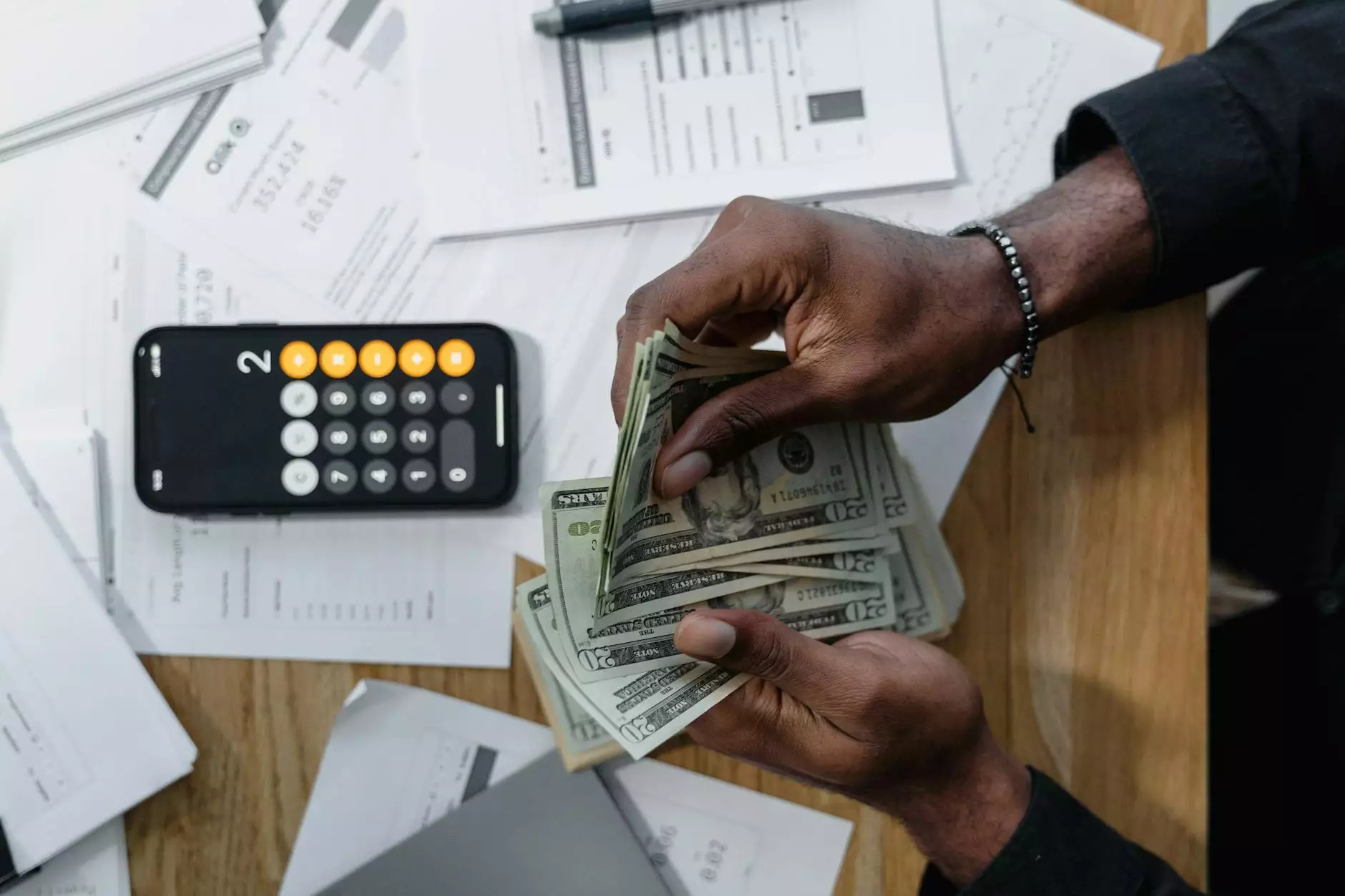
The world of business thrives on transactions, and at the core of these transactions lies currency. Not all currency is created equal, and understanding the nuances of denominations can significantly impact business operations. In this article, we will explore the significance of five dollars as a denomination in business, its implications for both real and fake money, and how it plays a vital role in various economic scenarios.
The Historical Perspective of Five Dollars
The five dollar bill has a rich history, representing more than just a monetary value. Introduced in various forms since the late 19th century, it has been a staple in American currency. Its initial designs were ornate, featuring important national figures, which reflected the values and history of the time.
Evolution of the Five Dollar Bill
- Early Designs: The original five dollar bill showcased heroic figures from American history, ranging from politicians to soldiers.
- Modernization: In the mid-20th century, the design was simplified, yet retained a strong symbolic meaning.
- Current Features: The current bill features holographic images and intricate designs to prevent counterfeiting, which ties directly into discussions about fake money.
The Role of Five Dollars in Business Transactions
In the realm of business, the five dollar denomination serves as a crucial component for small transactions. Whether it's for buying a quick snack or making change for larger purchases, this bill is a fundamental part of everyday commerce.
Applications of the Five Dollar Bill in Businesses
Here are several ways the five dollar bill permeates the business environment:
- Small Purchases: Retailers often find that five dollars is the perfect amount for impulse buys, making it significant for marketing strategies.
- Change Management: Cash businesses rely on the availability of five dollar notes for giving back change, thus facilitating smoother transactions.
- Promotional Campaigns: Businesses may leverage five dollar minimum purchases to encourage sales and enhance consumer spending.
Understanding Fake Money in Connection with Five Dollars
As the replication of currency has advanced, so has the conversation around authenticating bills like the five dollar note. The existence of fake money poses challenges for businesses and consumers alike. It’s essential to understand this aspect of currency to navigate the market effectively.
The Challenges of Counterfeiting
Counterfeiting, particularly with denominations like five dollars, can affect businesses in several ways:
- Loss of Revenue: Businesses accepting counterfeit bills may face significant financial losses.
- Damage to Reputation: A business associated with counterfeit transactions may lose consumer trust.
- Legal Repercussions: There are legal obligations to ensure that businesses do not accept or circulate fake money.
Countermeasures Against Fake Five Dollar Bills
Combatting the issue of counterfeit five dollar bills requires vigilance and understanding of security features embedded within real currency.
Identifying Authentic Currency
Businesses must train employees to identify the features of real five dollar bills, including:
- Watermarks: Authentic bills include specific watermarks visible when held up to the light.
- Color Shifting Ink: The denomination number changes color when moved.
- Microprinting: Tiny text that is difficult to reproduce can be found on the bill.
The Economic Impact of Five Dollars
Examining the broader economic implications of denominations like five dollars provides insight into consumer behavior and market dynamics. This denomination is often used in microtransactions and influences spending habits across various demographics.
The Role of Five Dollars in Consumer Spending
Consumer spending patterns reveal a lot about the health of an economy. Here are a few insights:
- Frequency of Use: The more a denomination like five dollars circulates, the more it reflects in consumer activity.
- Psychological Pricing: Businesses may use the five dollar mark as a psychological pricing tactic to encourage purchases.
- Class Segmentation: Understanding who spends five dollars helps businesses tailor products to different income groups.
Global Perspectives on Five Dollar Currency
While this article focuses on the American five dollar bill, it's worth noting that other nations also utilize comparable denominations. This allows us to draw comparisons across various economies.
International Comparisons
Currencies of various countries often reflect similar values. For instance:
- Canadian Five Dollar Bill: Features historical figures and has its unique security measures.
- Australian Five Dollar Note: Known for its polymer material, making it durable and less likely to be counterfeited.
- Euro: The €5 note also serves a similar purpose in Europe, exemplifying value across multiple countries.
Future Prospects: Digital Currency and the Five Dollar Denomination
As we venture deeper into the digital age, the relevance of physical cash, including the five dollar bill, is being challenged.
Digital Currency Trends
Some trends include:
- Cryptocurrency: The rise of digital currencies presents new challenges and opportunities for traditional bills.
- Mobile Payments: Apps facilitating instant transactions may diminish the need for physical five dollar bills.
- Cashless Societies: As more nations explore cashless systems, the future of the five dollar bill may be at stake.
Conclusion
The five dollar bill is more than just a piece of paper; it is a symbol of economic activity, consumer behavior, and even cultural significance. Understanding its role in business helps illuminate larger economic concepts while emphasizing the challenges posed by counterfeiting in today’s marketplace. As we move forward, businesses must adapt to shifts in currency use while recognizing the enduring relevance of bills like five dollars, even amidst rising digital trends.